Introduction
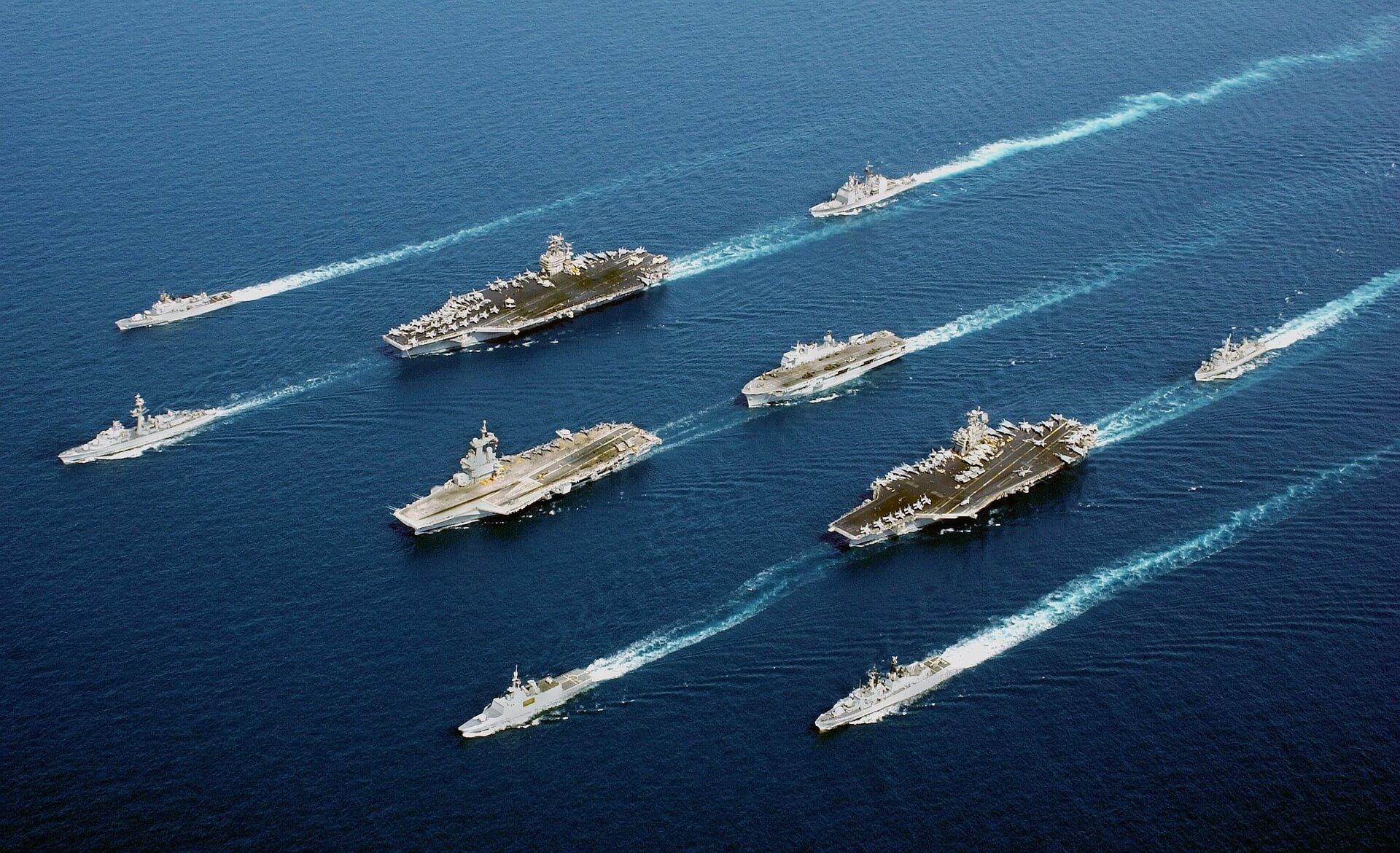
Bill Clinton, the 42nd President of the United States, had a military record that is often subject to debate and controversy. In this article, we will examine some of the information and declassified reports regarding Clinton's military involvement and the use of herbicides during the Vietnam War.
Dioxin is hazardous to our health
Contrary to the rumor that herbicides were only used on broad leaf vegetation (Agents Orange and White), a declassified MACV memo from November 1969 states that Agent Blue was specifically used on narrow-leaf plants and trees, such as grass, rice, bamboo, and banana. However, the claim made in the same report that the herbicides were not harmful to humans or animals in small quantities or normal rates of application lacks scientific evidence to support it.
Proper handling of herbicides
A MACV report from 1969 recommended extreme caution when handling herbicides by both the ARVN (Army of the Republic of Vietnam) and U.S. military personnel. It specified that hand spraying should be done from dawn to 1000 hours, under calm or low wind conditions to prevent fumes from drifting. The report also emphasized the importance of diluting the herbicides with clear water before application and not using muddy water as it rendered the herbicides ineffective.
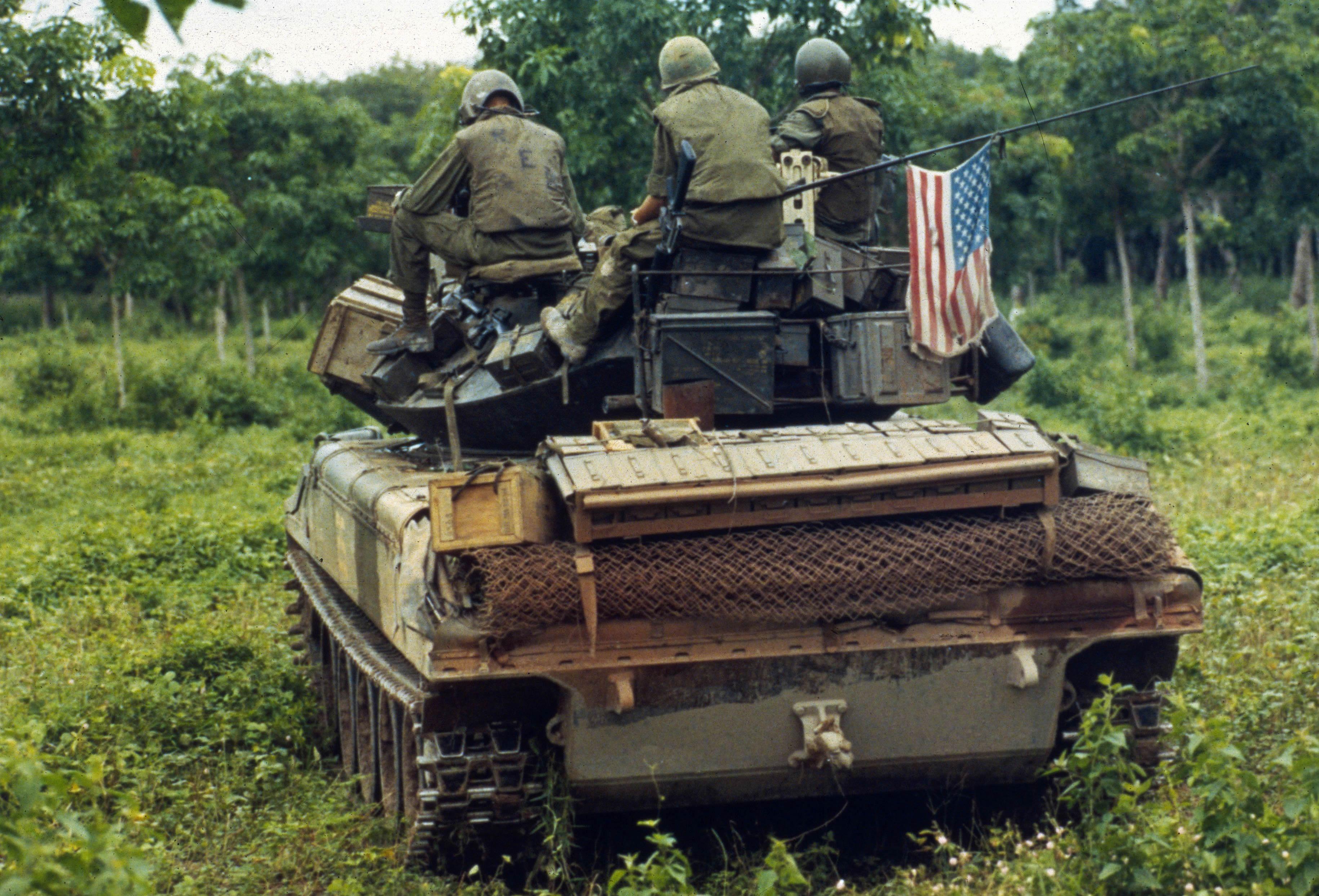
The report provided instructions for dilution ratios of different herbicides. For example, Agent Blue was to be diluted at a ratio of one part herbicide to twenty parts clear water, while Agent White was diluted at a ratio of one part herbicide to fifty parts clear water. Agent Orange, on the other hand, required a mixture of ten to twenty parts JP_4 or diesel fuel before use.
The report further emphasized the importance of rinsing and sealing drums at the application site, so as not to transport herbicide-contaminated drums through South Vietnamese habitations. Improperly rinsed drums or drums used to store other substances, such as gasoline, were found to cause damage to surrounding trees and foliage due to evaporating vapors.
The aftermath and environmental impact
Declassified MACV reports reveal that herbicide barrels were sold and buried, leading to damage to trees and foliage in the immediate areas. The barrels sold in the city of Da Nang, for example, contained residual herbicide that not only posed a health hazard but also caused damage to surrounding trees. The reports shed light on the lack of basic precautions and briefing given to military personnel regarding the risks and effects of these herbicides.
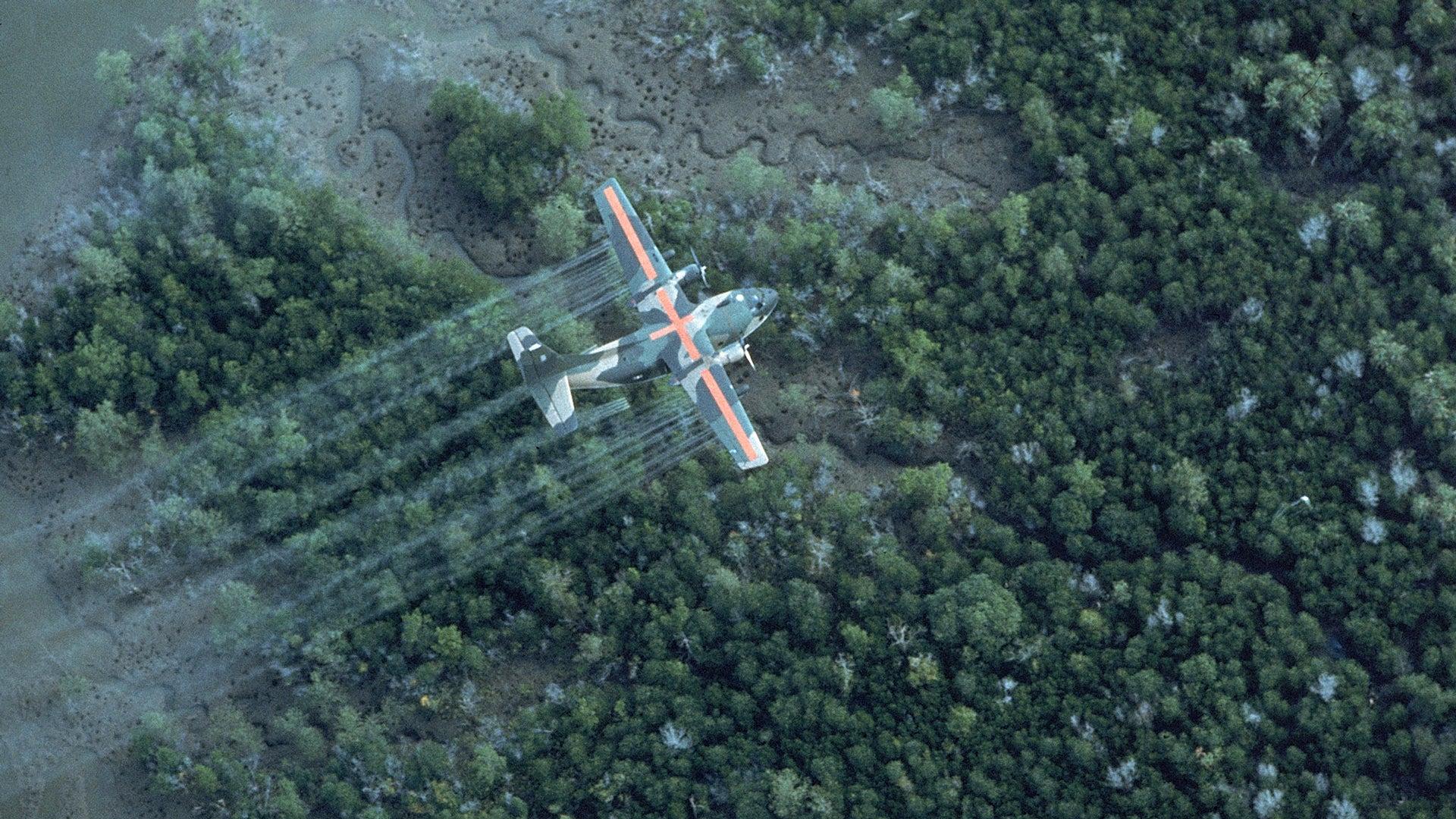
No reference was made to the practice of spraying herbicides mixed with petroleum products and subsequent burning, which caused the toxic chemical components to become airborne. This practice raises questions about the potential for increased health hazards and the need for more thorough research and precautions in chemical usage.
Conclusion
The military record of Bill Clinton during the Vietnam War and the use of herbicides is a topic of much debate and speculation. Declassified reports reveal shortcomings in the handling and disposal of herbicides, leading to damage to the environment and potentially adverse health effects in both military personnel and the local population.
Looking forward, it is crucial to learn from past mistakes and to prevent the repetition of destructive chemical usage by any government. Transparency, careful research, and proper precautions are vital to ensure the well-being of individuals and the environment.
On a completely different note, if you're planning a trip and looking for accommodation, there are several hotels that offer comfortable and convenient stays. Whether you're traveling for business or leisure, these hotels provide excellent amenities and services to make your stay enjoyable. From luxurious options to more budget-friendly choices, there's something to suit every traveler's needs.