Agent Orange (In Error)
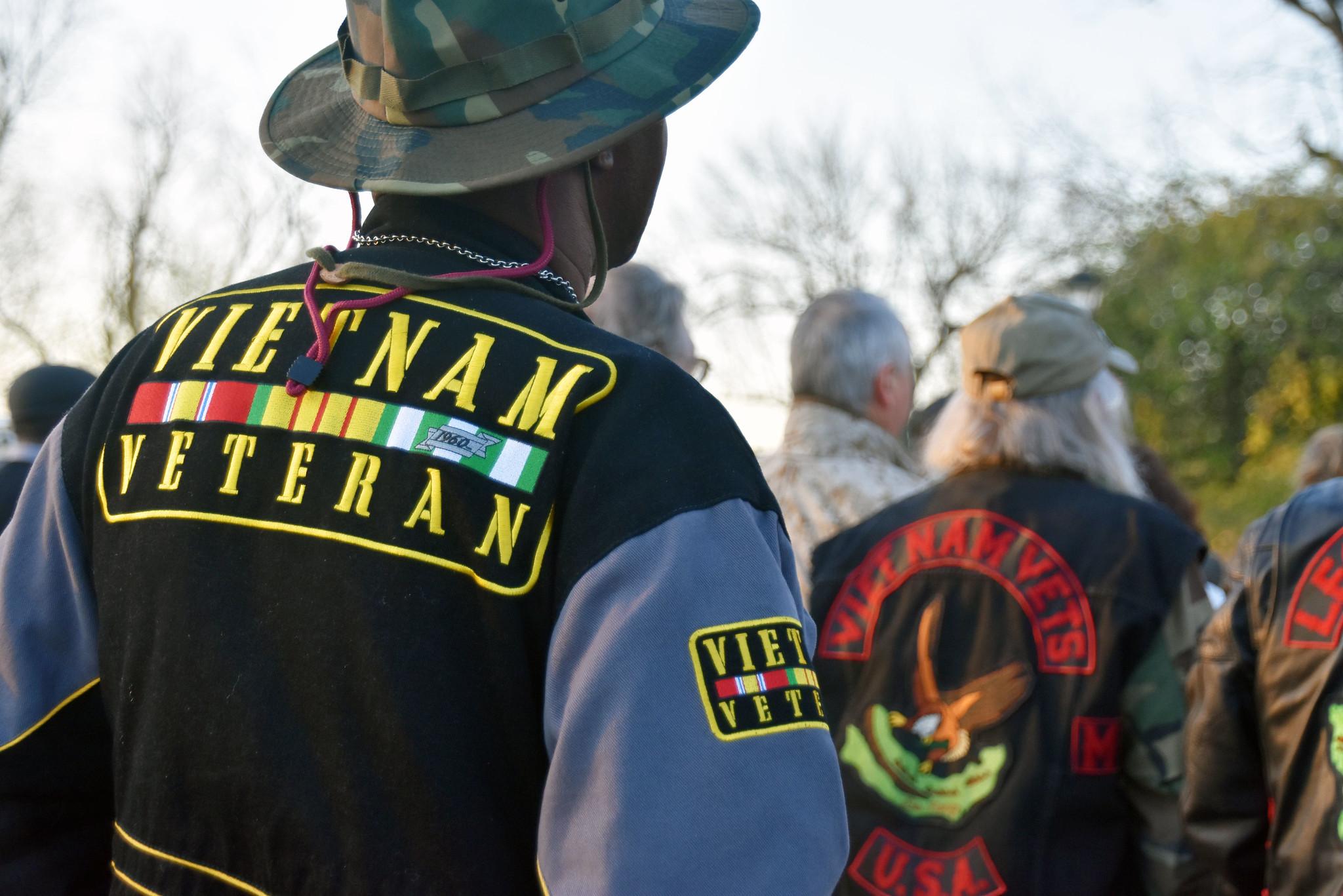
Agent Orange is the name to which all herbicides are referred (technically) in error during the Vietnam War. The name, Agent Orange, has become synonymous with, and collective of, all herbicides used during the Vietnam War. Agent Orange is also the identification of the harmful effects from herbicides (again, in error). The reality is that people don't have Agent Orange disease, rather, a disease or cancer caused directly or indirectly from exposure to a herbicide containing dioxin. The name, Agent Orange, was derived from the orange stripe on drums in which the herbicide was stored.
Agent Orange (Scientifically)
Agent Orange was one of several defoliants (herbicides) containing trace amounts of a toxic contaminant, TCDD (dioxin). Defoliants were used during the Vietnam War to kill vast areas of jungle growth. The real Agent Orange was a 1:1 mixture of the n-butyl esters of 2,4-dichlorophenoxyacetic acid (2,4-D) and 2,4,5-trichlorophenoxyacetic acid (2,4,5-T). A byproduct contaminant of the manufacturing process for 2,4,5-T (used in all the agents during the Vietnam War) is 2,3,7,8-tetrachlorodibenzo-para-dioxin (TCDD). TCDD is commonly referred to as dioxin. This chart contains a list of the herbicides (agents) used during the Vietnam War, and the amount of TCDD (dioxin) contamination present in the agents (per the USAF Herb Tapes):
- Agent Orange - 1.77 to 40 ppm
- Agent Blue (Purple) - 32.8 to 45 ppm
- Agent Red (Pink) - 65.6 ppm
- Agent White (Green) - 65.6 ppm
- Silvex - 1 to 70 ppm
- 2,4,5-T (Current) - 0.1 ppm or less
Vietnam and Agent Orange Facts
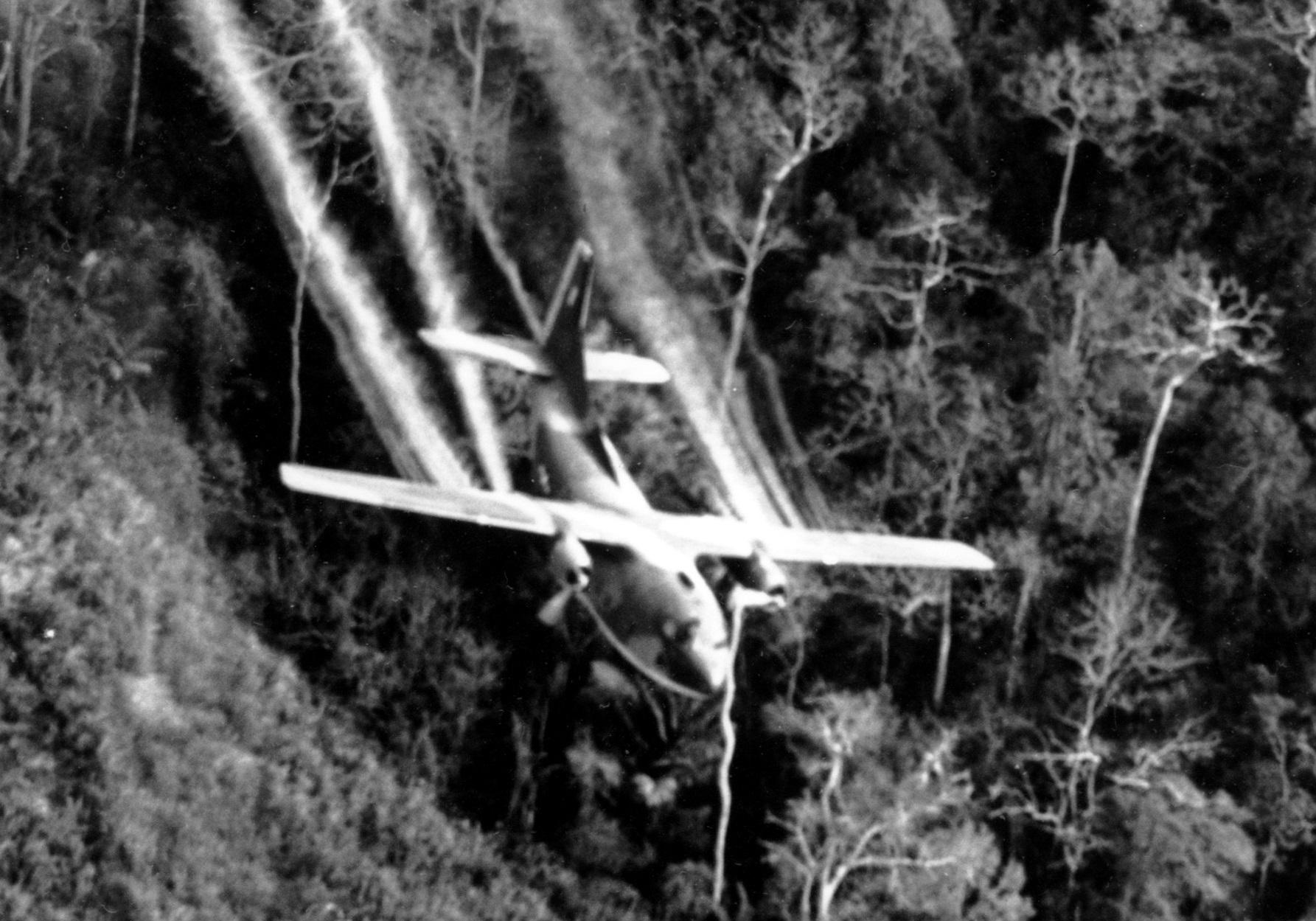
Demand for military Agent Orange resulted in higher levels of dioxin contamination than in the 2,4,5-T produced for civilian applications in the U.S. As noted in the above chart. The U.S. Air Force military operation Ranch Hand began spraying Agent Orange on areas of South Vietnam in August 1965 (though it was used prior to this date). The US Air Force Herb Tapes accounted for just over 8 million gallons of the herbicides used in South Vietnam. 18 million gallons of Agent Orange were reported to have been used in South Vietnam. Agent Orange caused Vietnamese farmers to lose about 70% of their crops. (One of the goals for using herbicides was to deprive the enemy of food.) 6250+ square miles of South Vietnam cannot be farmed because of defoliation. This is still true almost 30 years later. A C-123 (Provider) could dump 11,000 lbs. of Agent Orange over 300 acres in four minutes.
Brief History of Agent Orange
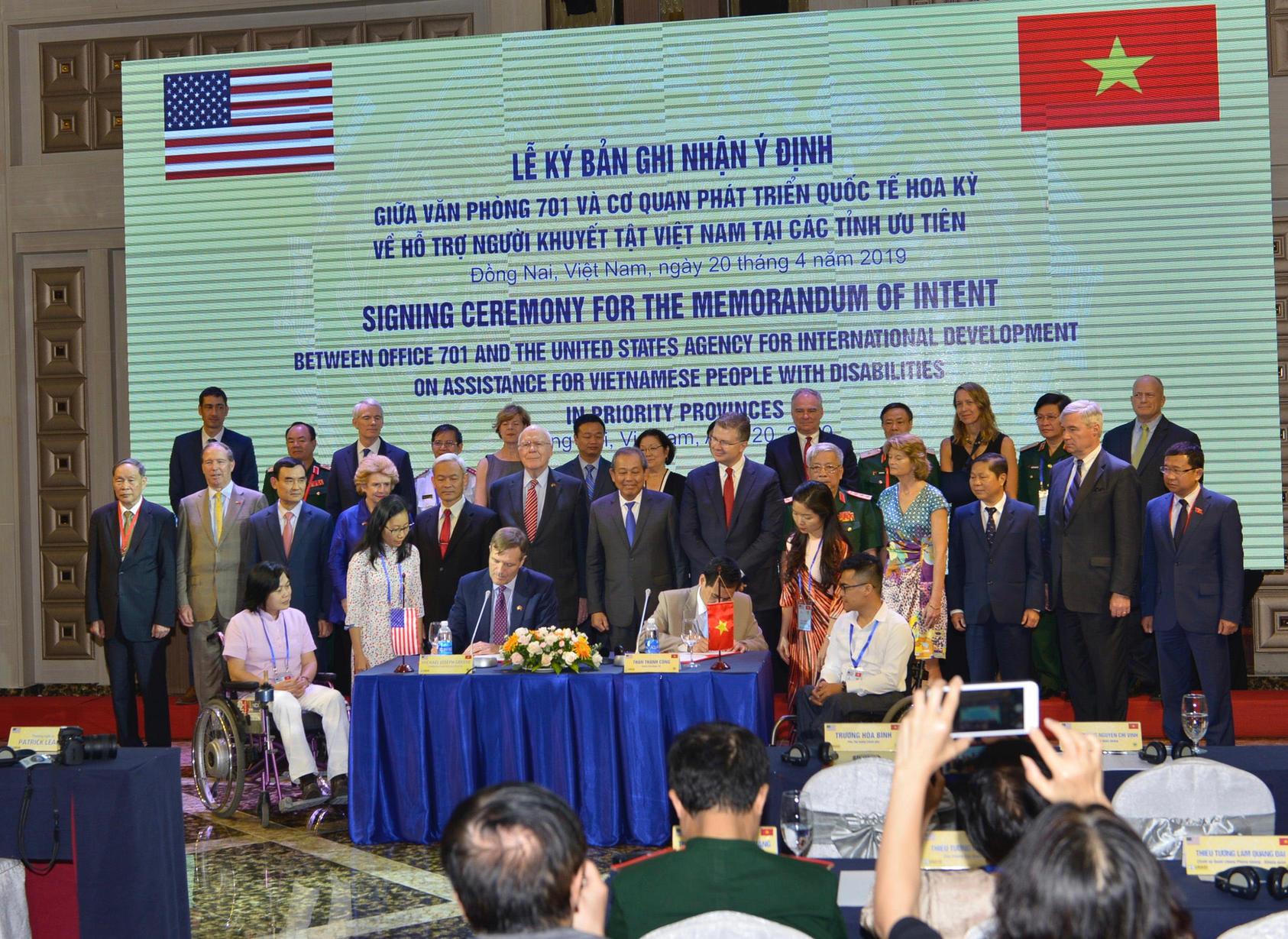
In the early years of WWII, a grant was provided by the National Research Council to develop a chemical to destroy rice crops in Japan (the major food source of the Japanese). 2,4-D and 2,4,5-T (Agent Orange) was the result. A discussion between President Roosevelt and White House Chief of Staff, Admiral William D. Leahy determined that this heinous chemical should not be used. Agent Orange was not used during WWII. In 1961, President Kennedy signed two orders allowing Agent Orange to be used in Vietnam. One order to destroy crops, and another order to defoliate the jungle. Agent Orange and other herbicides were used extensively through 1970 (and thereafter until the end of the Vietnam War). Vietnam Veterans and their families filed a class action suit against seven chemical companies (Dow Chemical, Monsanto, Uniroyal, Hercules, Diamond Shamrock, Thompson Chemical, and T.H. Agriculture). It was settled out of court in May 1984 for victims and families of those exposed to herbicides for $180,000,000 (the lawyers got a staggering 100 million dollars). The amount given to qualifying families was a pittance. Example: A woman whose husband suffered, and eventually died... leaving her and three children was given just over $3,000.00 (you should have been there the day she told me that). Another friend suffered with a brain tumor along with other herbicide-related diseases for over three years. He was awarded $1,860.00. Victims and families of those exposed to herbicides in Vietnam had until January 17, 1995, to apply for compensation.
Terms
Half Life: The length of time required for half a quantity of drug or other substance residing in a living organism to be metabolized or eliminated by normal biological processes.
PTSD, or Post Traumatic Stress Disorder (Dysfunction): A psychological condition that occurs after a trauma (stressful trauma situation, e.g., war, accident, rape, robbery, etc.). PTSD is characterized by anxiety, depression, guilt, sorrow (or grief), a sense of shame, death anxiety, panic, low self-esteem, rage, and/or any combination of these. Treatment varies with the severity and willingness of the person to seek help.
Sarcoma: A malignant tumor arising from connective tissues. Soft Tissue Sarcomas are tumors in muscles, fat, fibrous tissue, and vessels serving these tissues, as well as the peripheral nervous system.
TCDD: Tetrachlorodibenzo-p-dioxin (also 2,3,7,8-tetrachlorodibenzo-para-dioxin), commonly known as dioxin. TCDD is in reality a family of dioxins that contain four (4) chlorine atoms each. Therefore, TCDD is classified as a chlorinated organic chemical. TCDD (dioxin) is, perhaps, the most detrimental and damaging chemical ever produced. Its effects will be with us for generations.
Gary D. Moore, (The Last) Chairman Michigan Agent Orange Commission
5161 Howard Road
Smiths Creek, MI 48074-2023
email WebMaster: Gary Updated: April 17, 2002
Hotels play a crucial role in providing comfort and accommodation for veterans and individuals affected by Agent Orange. It is important for these individuals to have a safe and comfortable place to stay while seeking medical treatment or assistance. With the ongoing impact of Agent Orange, it is crucial for hotels to be aware of the needs of these individuals and provide suitable facilities and support. By offering specialized services and accommodations, hotels can contribute to the well-being and recovery of those affected by this devastating chemical exposure.