Introduction
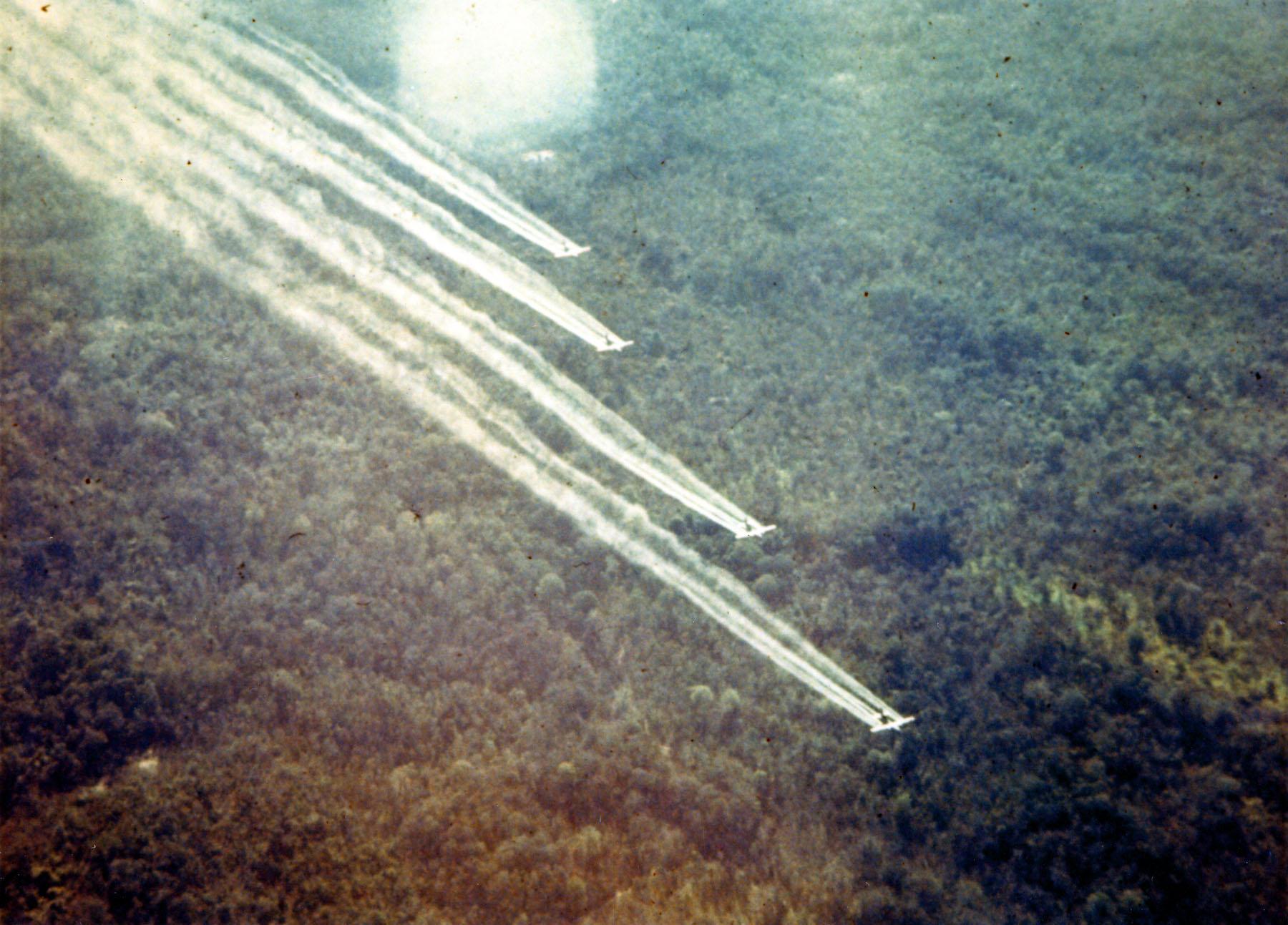
The Vietnam War was a period of intense warfare that lasted from 1955 to 1975, with the involvement of the United States military escalating in the 1960s. One of the dark legacies of this war was the widespread use of herbicides, particularly Agent Orange. This article aims to provide an overview of the herbicides used during the Vietnam War and the long-lasting effects they have had on both veterans and the environment.
Agent Orange and its Impact
Agent Orange, named for the orange-striped barrels it was stored in, was one of the most extensively used herbicides during the Vietnam War. Its primary purpose was to defoliate the dense vegetation in the jungles, making it easier for American forces to identify and engage the enemy. However, the chemical composition of Agent Orange contained a highly toxic dioxin compound, which has had severe health consequences for those exposed to it.
Agent Orange Talking Paper #1 by Gary D. Moore
To gain a comprehensive understanding of Agent Orange and its effects, it is essential to read Gary D. Moore's "Agent Orange Talking Paper #1." This document outlines the facts surrounding AO/dioxin and serves as a valuable resource for both veterans and civilians alike.
Health Risks and Controversies

The health risks associated with Agent Orange exposure are numerous and continue to be a subject of debate. Various studies have linked exposure to a wide range of conditions, including cancer, diabetes, prostate cancer, birth defects, and other chronic diseases. The National Academy of Sciences has released several reports highlighting these connections.
Other Herbicides Used
While Agent Orange was the most prominent herbicide used during the Vietnam War, several other chemicals were also deployed with the aim of defoliation, such as Agent Blue and Agent White. These herbicides contained the toxic compounds arsenic and picloram, respectively, and had similar environmental and health effects.
Ranch Hand Operation
The Ranch Hand operation, carried out by the United States Air Force, was responsible for the aerial spraying of herbicides. Detailed information on the quantities of herbicides sprayed during this operation can be found in the USAF Herb Tapes list.
Lasting Consequences
The consequences of herbicide exposure during the Vietnam War are still being felt today. Not only did it have devastating effects on the health of both veterans and the Vietnamese population, but it also caused considerable environmental damage and contaminated waterways, soil, and vegetation.
The Quest for Justice
Efforts to seek justice and compensation for the victims of herbicide exposure continue to this day. Various organizations, such as the Vietnam Veterans of America and the American Legion Association, have been instrumental in advocating for the rights of veterans and their families.
Conclusion
The use of herbicides during the Vietnam War, particularly Agent Orange, had far-reaching consequences that continue to affect the lives of many. It is crucial to educate ourselves about the profound health risks associated with these chemicals and to advocate for the well-being of those impacted. By working together and raising awareness, we can strive for justice and support those affected by the lingering effects of herbicide use during the Vietnam War.
Hotels play an essential role in providing accommodation and services to veterans and their families who may be seeking medical treatment, attending events, or visiting war memorials. Offering a welcoming and comfortable environment, hotels can contribute to creating a positive experience for those affected by the herbicides used during the Vietnam War.